Aries season runs from March 21 to April 19, and if you have a Ram in your life, you already know the type: bold, action-driven, and rarely standing still. Whether you're drawn to the speculative lore around crystals or simply love them for their natural beauty, a well-chosen stone makes a wonderfully personal gift.
Here are five crystals that pair nicely with the Aries spirit, along with a look at what makes each one so visually and geologically interesting.
Carnelian: A Stone of Fire and Color
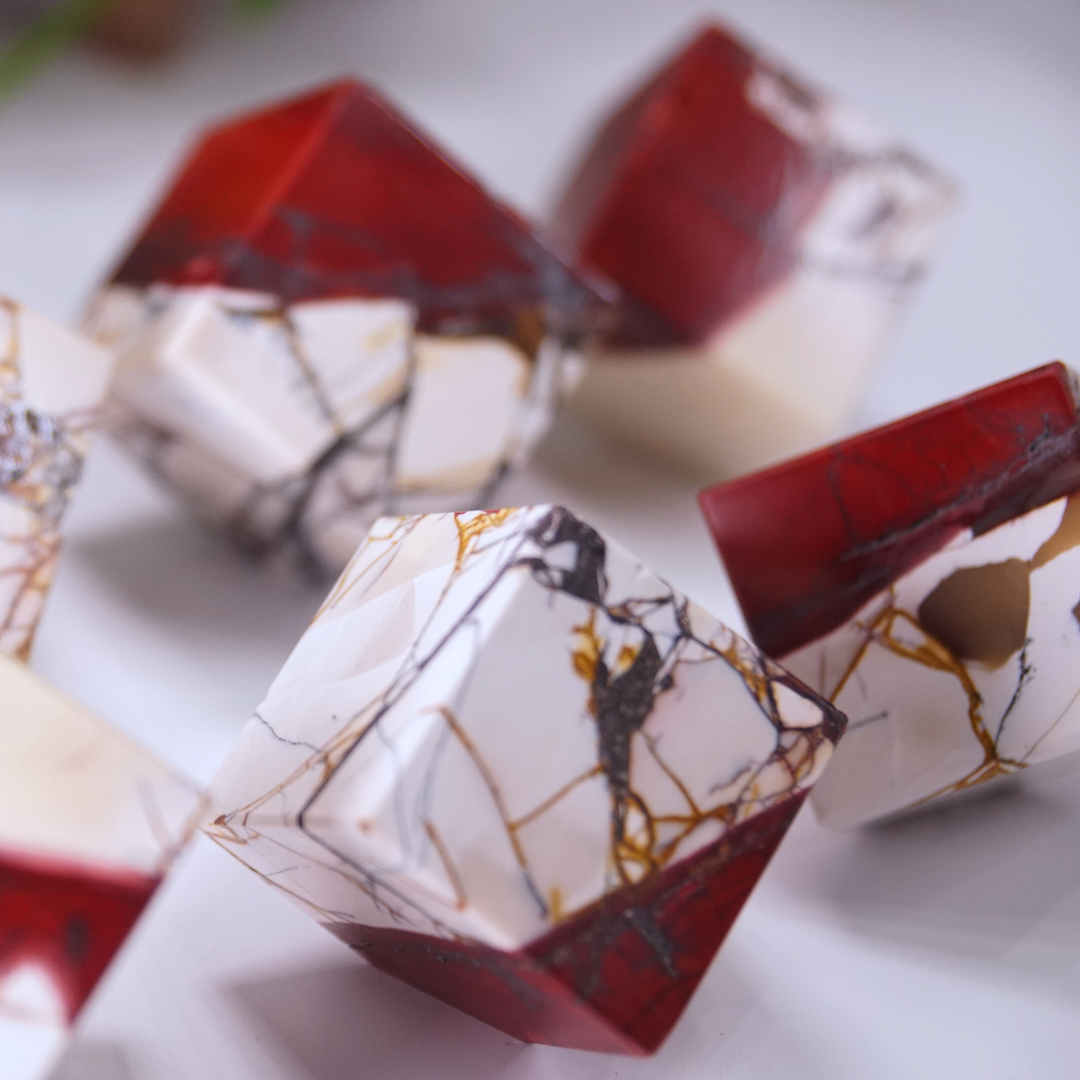
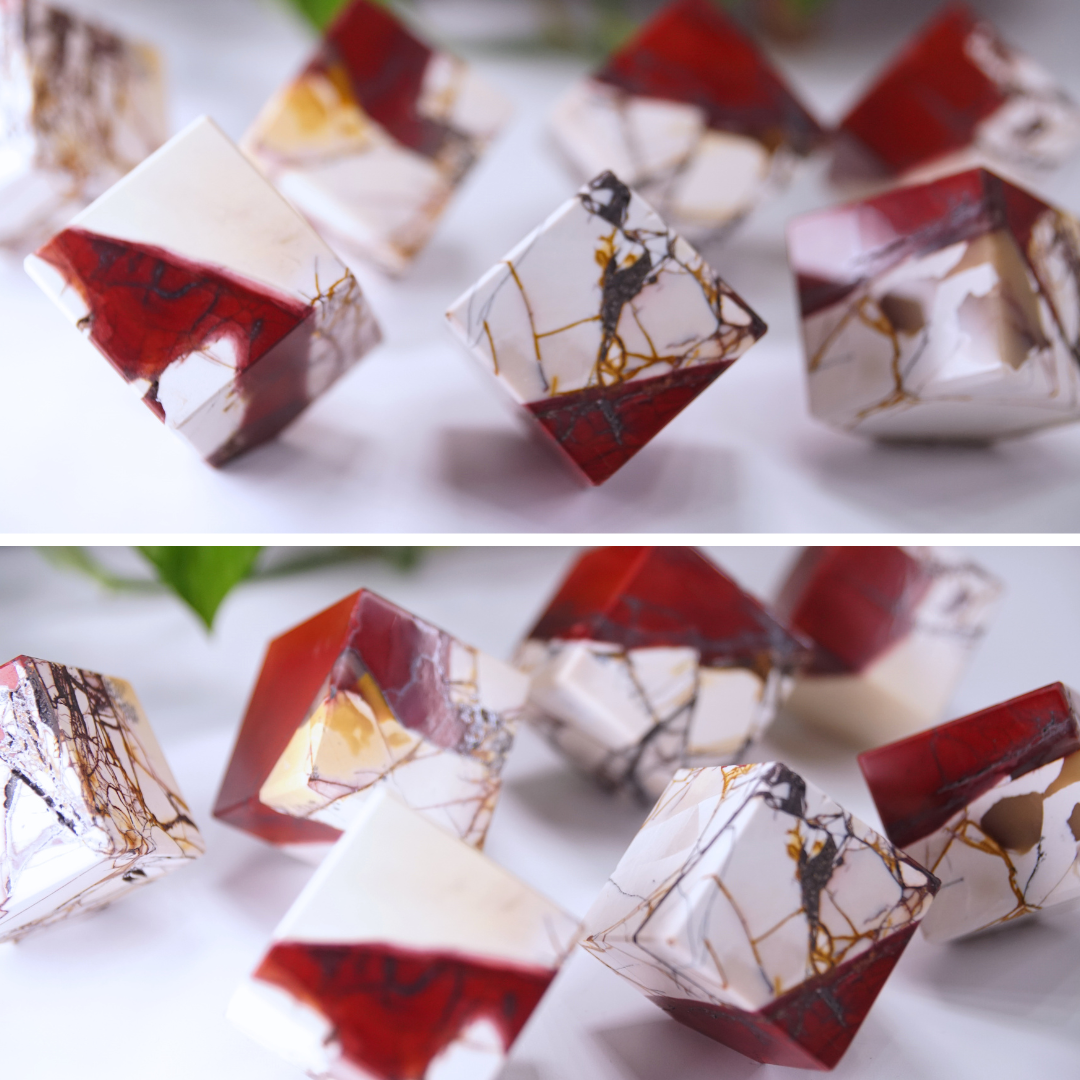
Few stones match the visual energy of an Aries quite like carnelian. It belongs to the chalcedony branch of the quartz family, and its signature warm tones, ranging from soft peachy-orange all the way to a deep reddish-brown, come from iron oxide that formed within the stone during its creation. The specific type of iron oxide responsible is hematite, dispersed throughout the mineral in extremely fine particles. (Encyclopedia Britannica)
What makes carnelian so gift-worthy is how alive it looks. Hold a polished piece up to light and it practically glows. It has a long and impressive human history too. Carnelian was used in decorative arts dating back to roughly 1800 BC and was widely valued by the Romans for rings and signet seals.
Significant natural deposits exist in places like India, Brazil, and Germany. For an Aries who appreciates bold color and things with a story behind them, carnelian is a natural fit.
(Source: Britannica, https://www.britannica.com/science/carnelian | Wikipedia, https://en.wikipedia.org/wiki/Carnelian)
Bloodstone: Green and Red, Dramatic by Nature
Bloodstone is one of the most visually striking stones in the mineral world, and that drama suits an Aries personality beautifully. It is a member of the chalcedony family, built from microcrystalline quartz, but what sets it apart is its wild coloring. The dark green base color comes from trace mineral inclusions such as chlorite, amphibole, and pyroxene, while the vivid red spots scattered across the surface are concentrations of iron oxide, most likely hematite. (Geology.com )
The result is a stone that looks almost alive, like drops of bright red against a deep forest green. It forms through the precipitation of silica-rich groundwater in rock fractures and cavities at shallow depths, and the majority of bloodstone on the market today is sourced from India, though deposits also exist in Australia, Brazil, China, and Madagascar. (Geology.com)
It has served as the traditional birthstone for March since 1912, meaning many Aries birthdays fall squarely within its territory. Cut into smooth, domed cabochon shapes, it shows off its patterning in a way few other stones can match.
(Source: Geology.com, https://geology.com/gemstones/bloodstone/)
Clear Quartz: The Most Abundant Crystal on Earth
Clear quartz might seem understated next to carnelian or bloodstone, but it is one of the most remarkable minerals on the planet.
Its chemical makeup is straightforward, just silicon and oxygen bonded together, but that simplicity produces crystals of extraordinary clarity. The ancient Greeks called water-clear quartz crystals "krystallos," which is the word that eventually gave us the modern term "crystal." (Encyclopedia Britannica)
In its purest form, clear quartz grows into six-sided pointed columns that are instantly recognizable and visually stunning. A large, well-formed specimen has a sharp, architectural beauty to it. For an Aries who appreciates things that are clean, bold, and timeless, a quality clear quartz point is a gift that works in any space.
(Source: Geology.com, https://geology.com/minerals/quartz.shtml | Britannica, https://www.britannica.com/science/quartz)
Citrine: Sunshine in Mineral Form
Citrine's warm yellow and orange tones make it one of the most cheerful-looking stones in the quartz family, which fits well with the natural optimism Aries tends to radiate. Like all quartz varieties, its chemistry is based on silicon dioxide, but it gets its sunny color from trace amounts of iron within the crystal structure. Natural citrine is quite rare compared to other quartz varieties like amethyst or smoky quartz. (Encyclopedia Britannica)
The main commercial source of naturally colored citrine is eastern Brazil, though it is also found in Argentina, Bolivia, Madagascar, Mexico, Russia, Spain, and Uruguay. (Geology.com)
It is worth knowing that much of the citrine sold commercially started life as amethyst that was heated to shift its color from purple to yellow or orange. Whether natural or heat-treated, the golden color of citrine is genuinely beautiful and makes for eye-catching jewelry or a display piece that lights up any room.
(Source: Britannica, https://www.britannica.com/science/citrine | Geology.com, https://geology.com/gemstones/citrine/ | Mindat.org, https://www.mindat.org/min-1054.html)
Amethyst: The Bold Purple Contrast
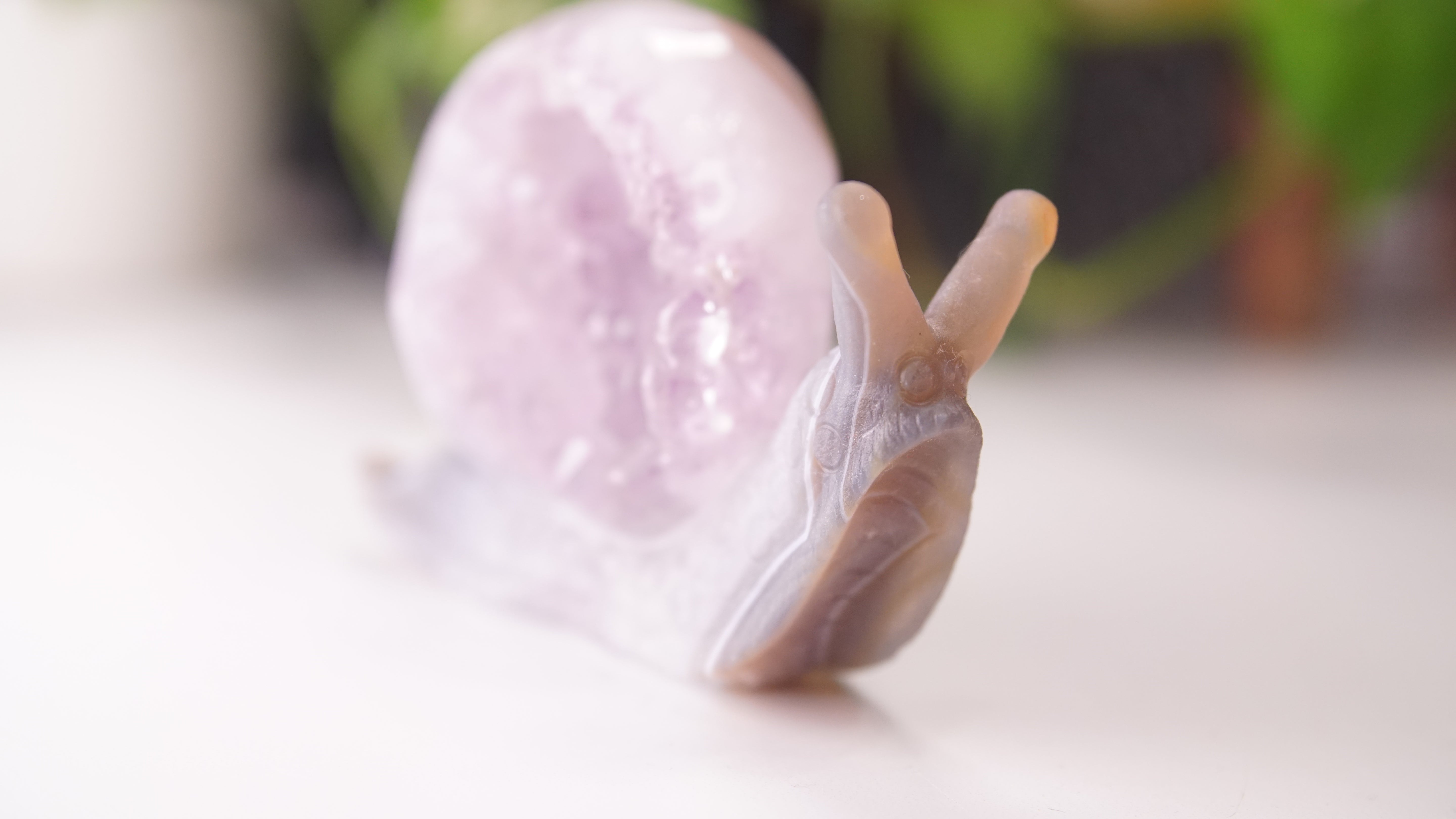
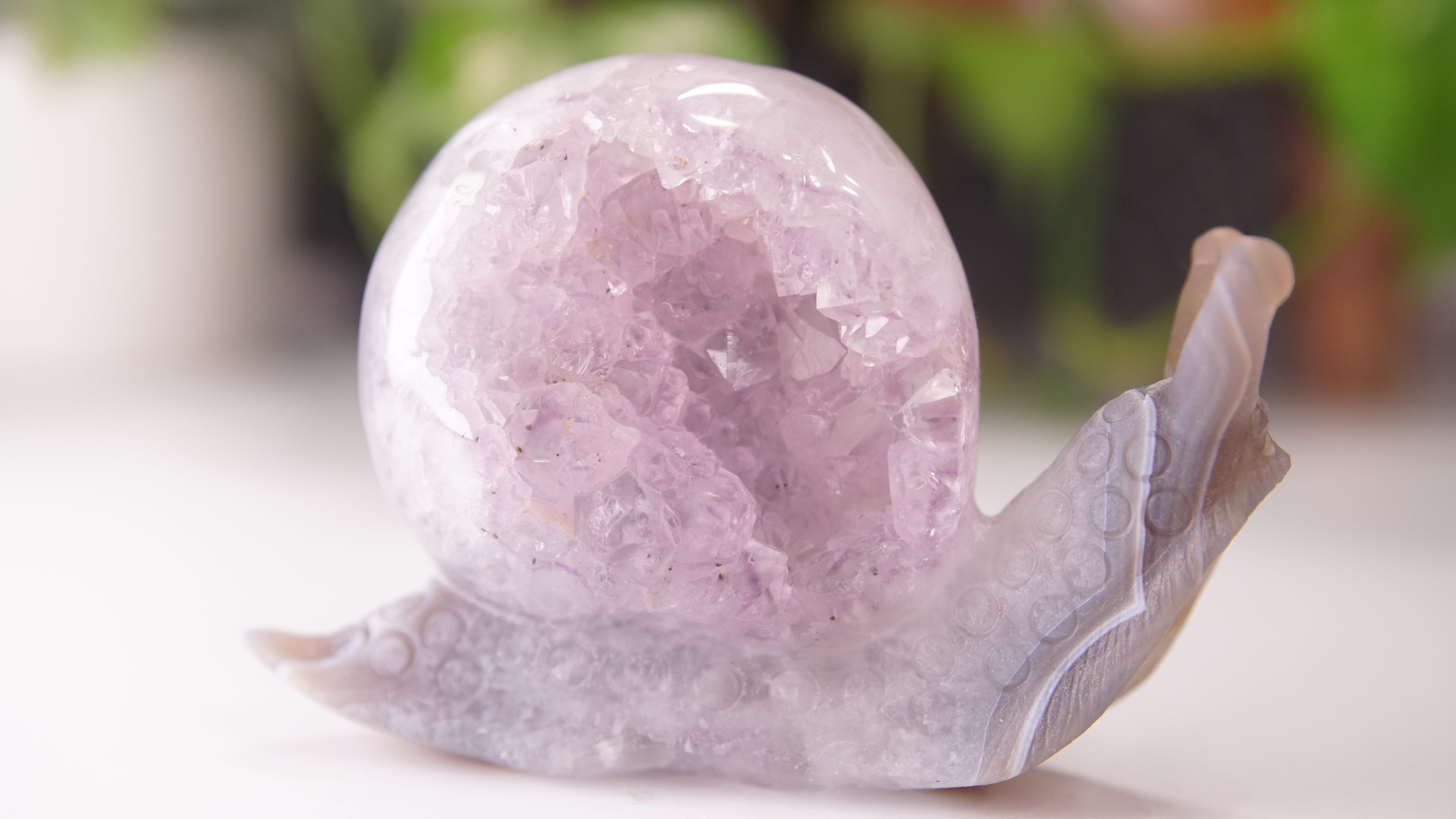
Not every Aries gift needs to mirror their fire, and amethyst offers a beautiful visual counterpoint with its deep, rich purple color. It is a macrocrystalline form of quartz, meaning its crystals are large enough to see with the naked eye, and it gets its purple hue from iron content within the crystal combined with natural radiation from surrounding rocks during formation.
Because crystals grow slowly and the chemistry of the water feeding their growth can shift over time, individual amethyst crystals often display distinct color zones of varying intensity, each one reflecting a different stage of the crystal's development, much like growth rings in a tree. (Geology.com)
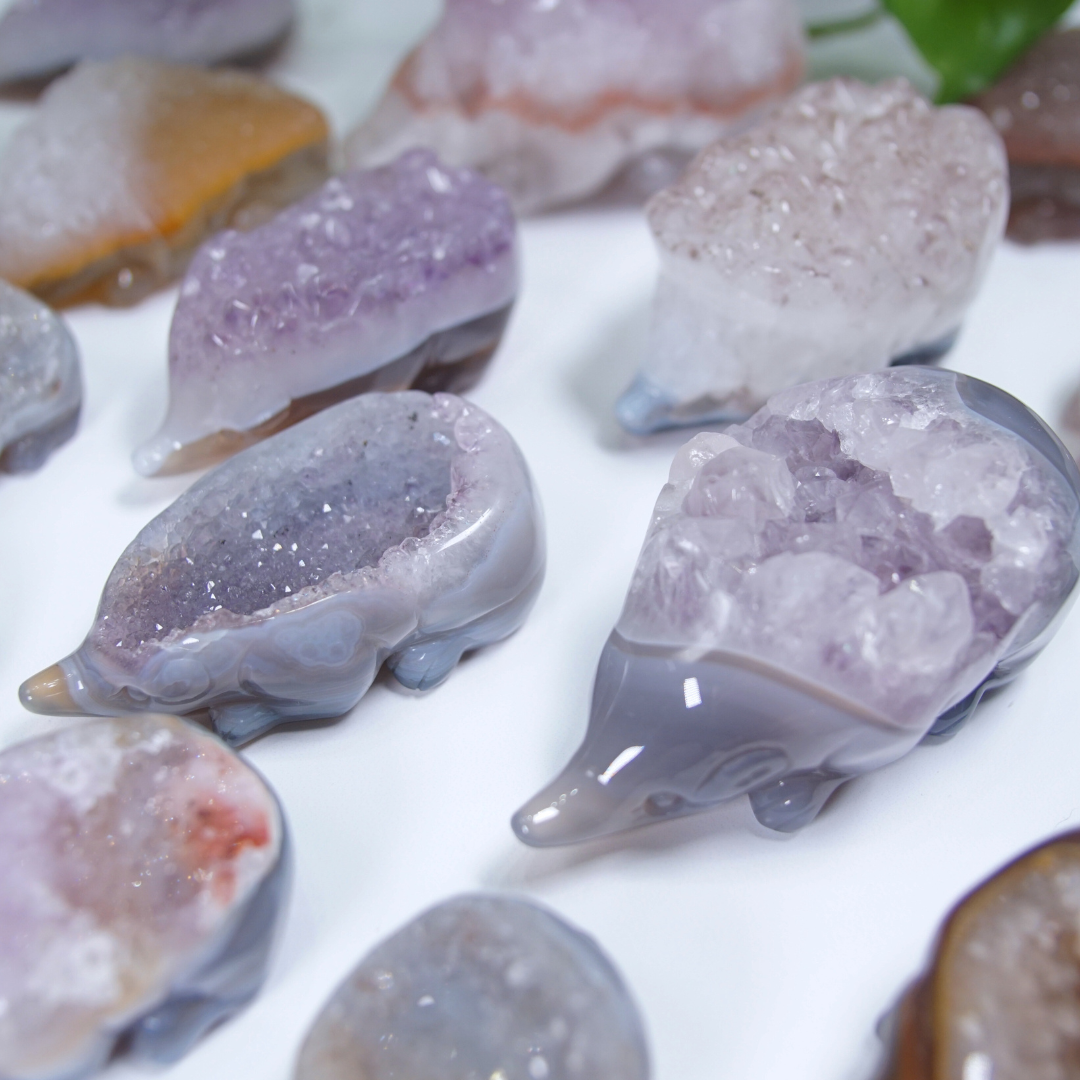
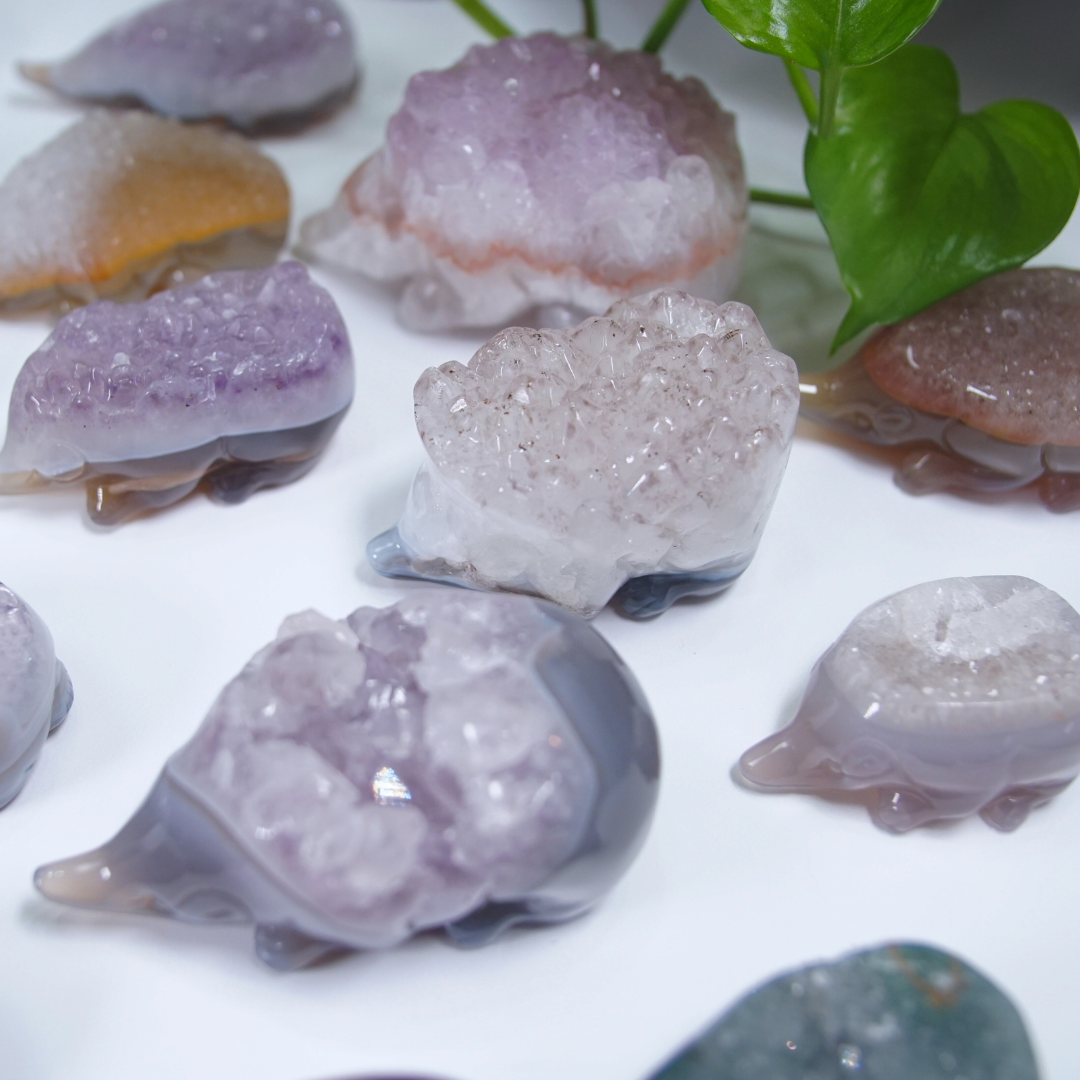
Amethyst commonly forms inside geodes, and when one of those geodes is sliced open, the interior is filled with a breathtaking cluster of purple crystal points. It contains more iron oxide than any other variety of quartz, which experts believe is the key driver of its violet color. (Encyclopedia Britannica)
For an Aries who seems to have everything, a striking amethyst geode for a desk or living space is a gift that is genuinely hard to forget.
(Source: Britannica, https://www.britannica.com/science/amethyst | Geology.com, https://geology.com/gemstones/amethyst/ | Mindat.org, https://www.mindat.org/min-198.html)