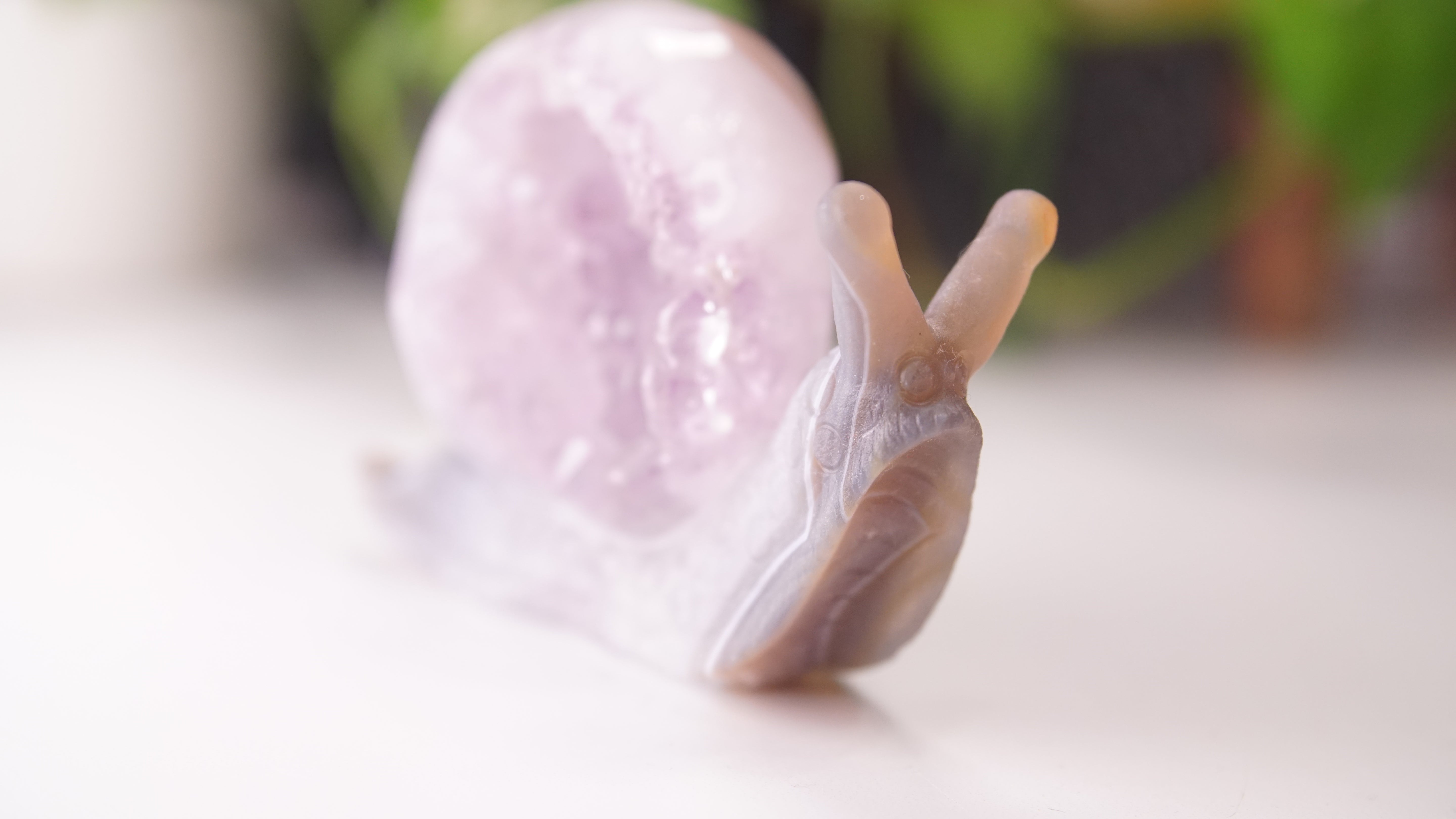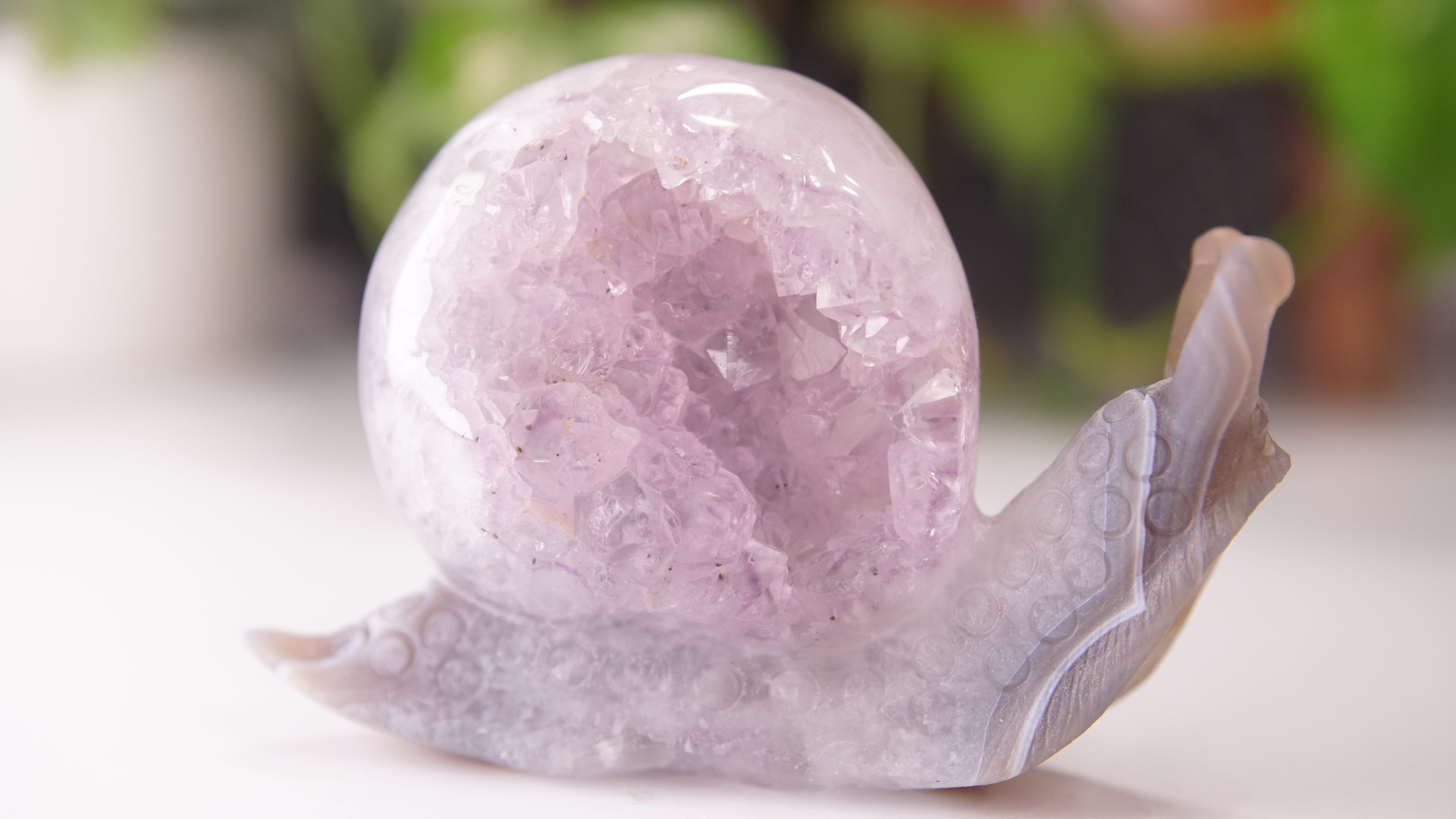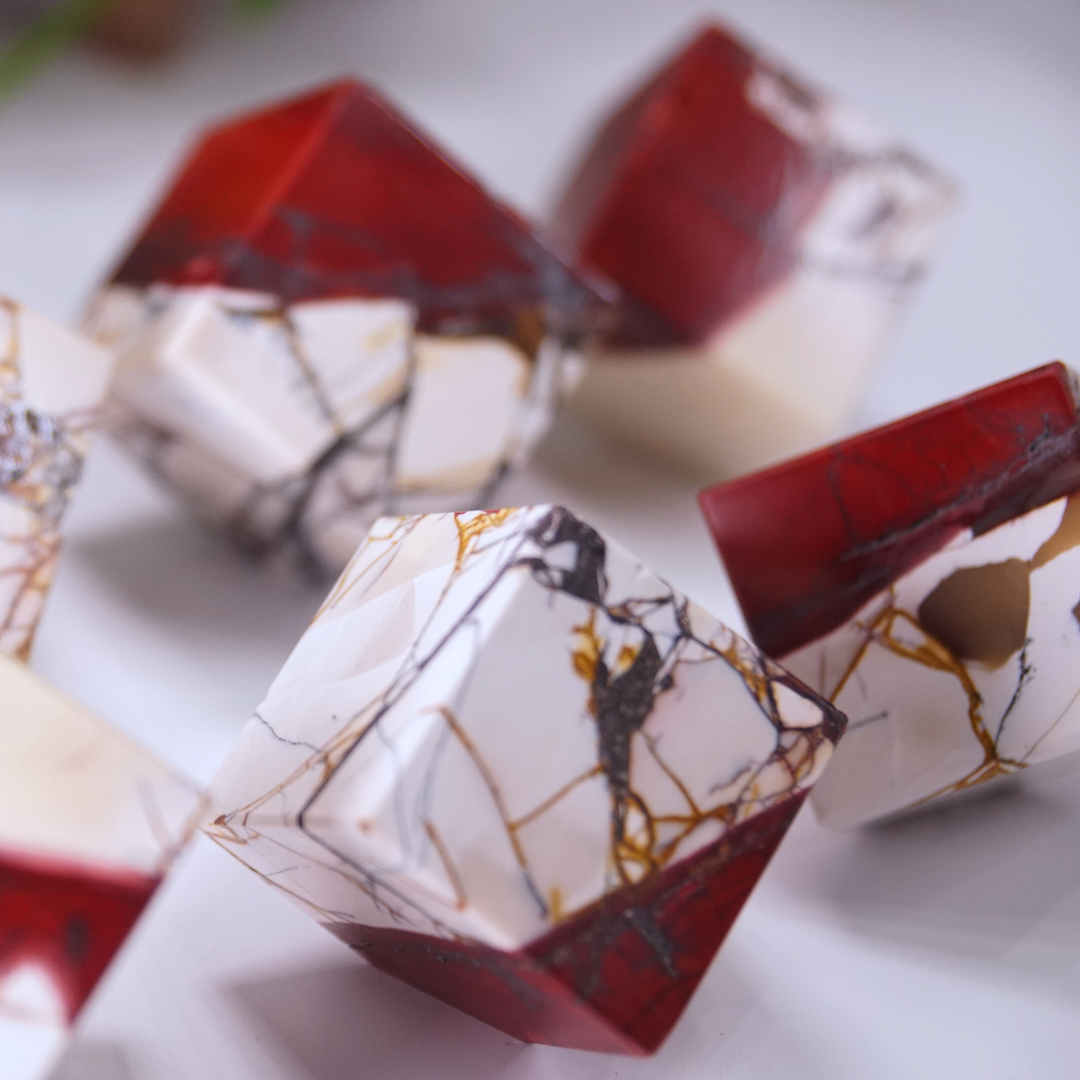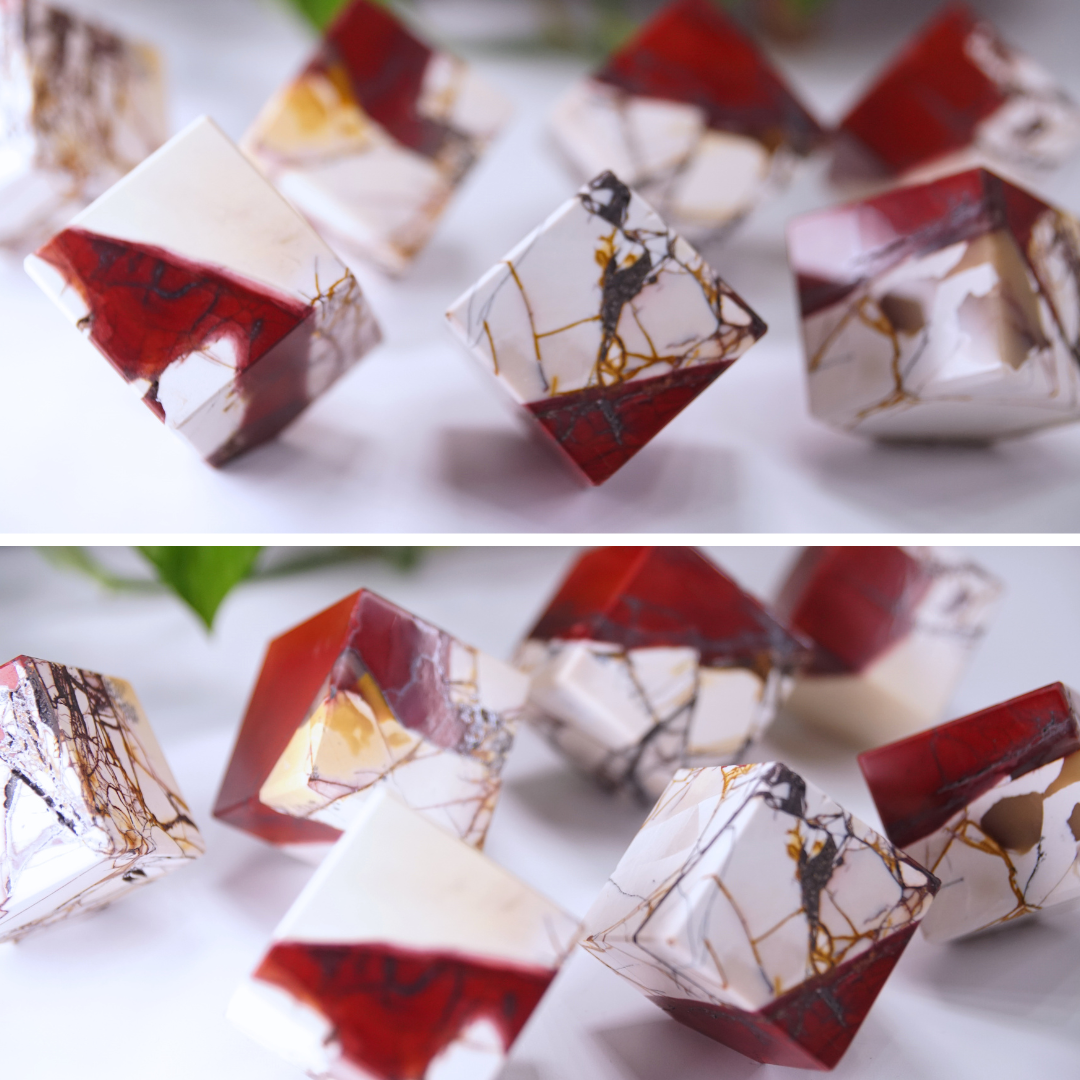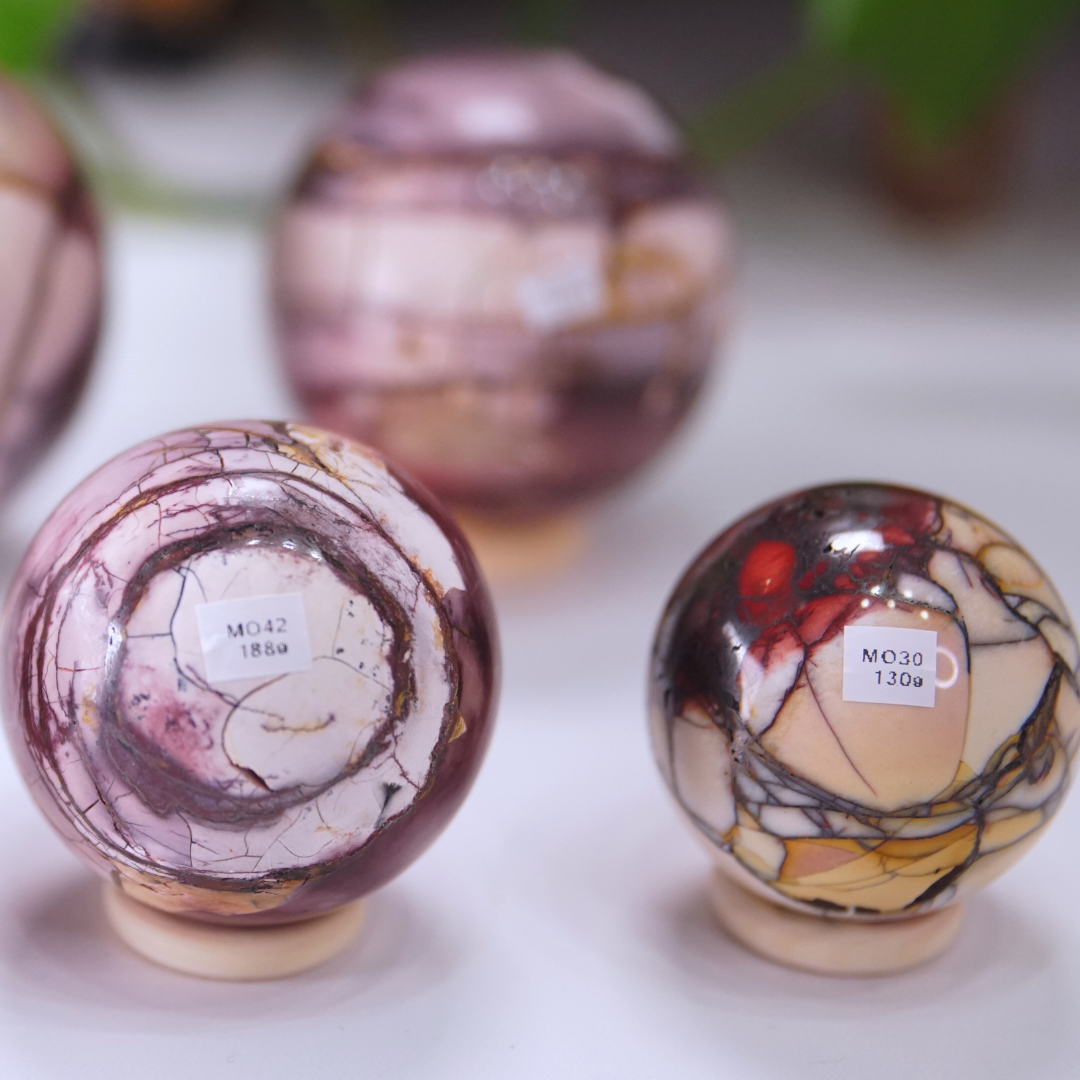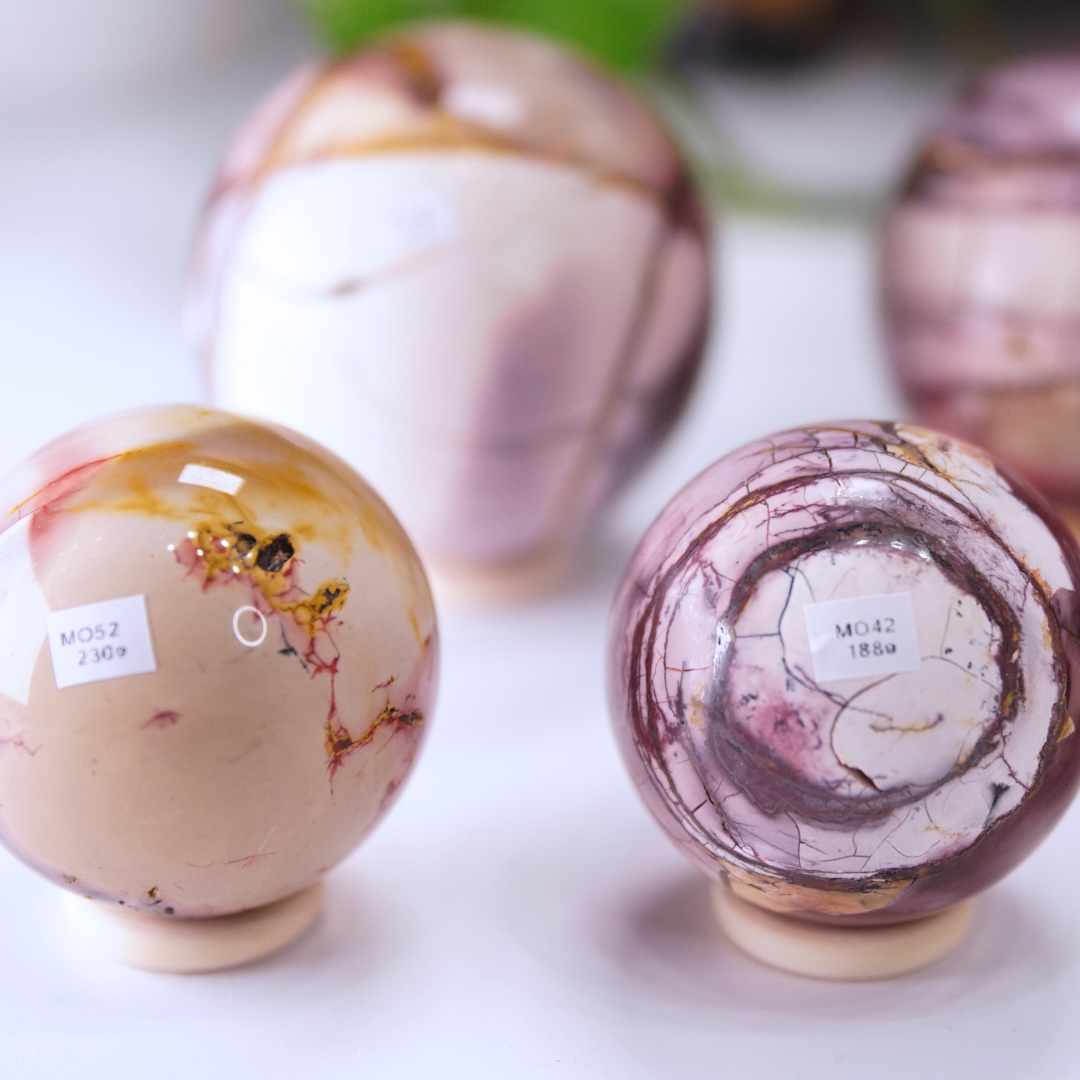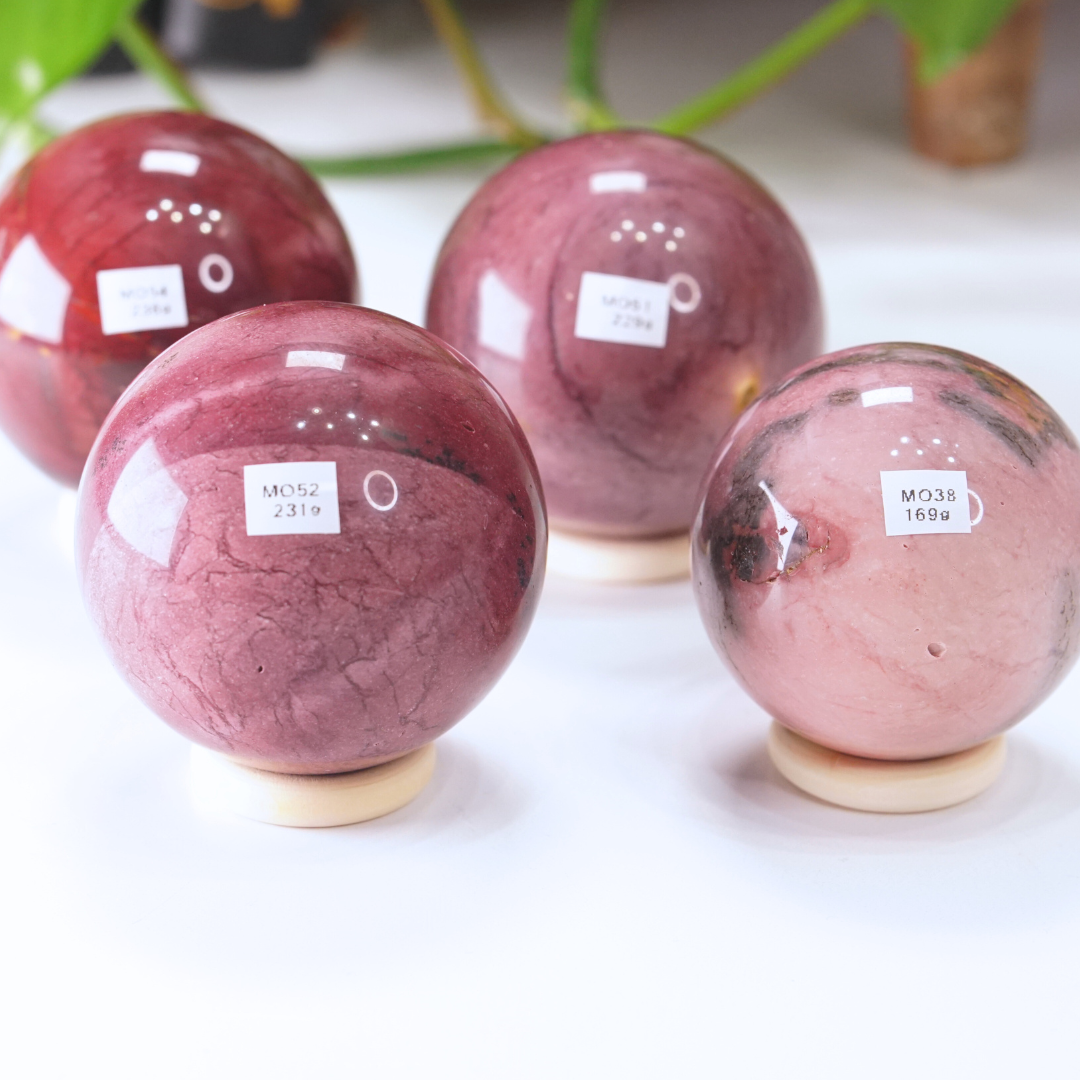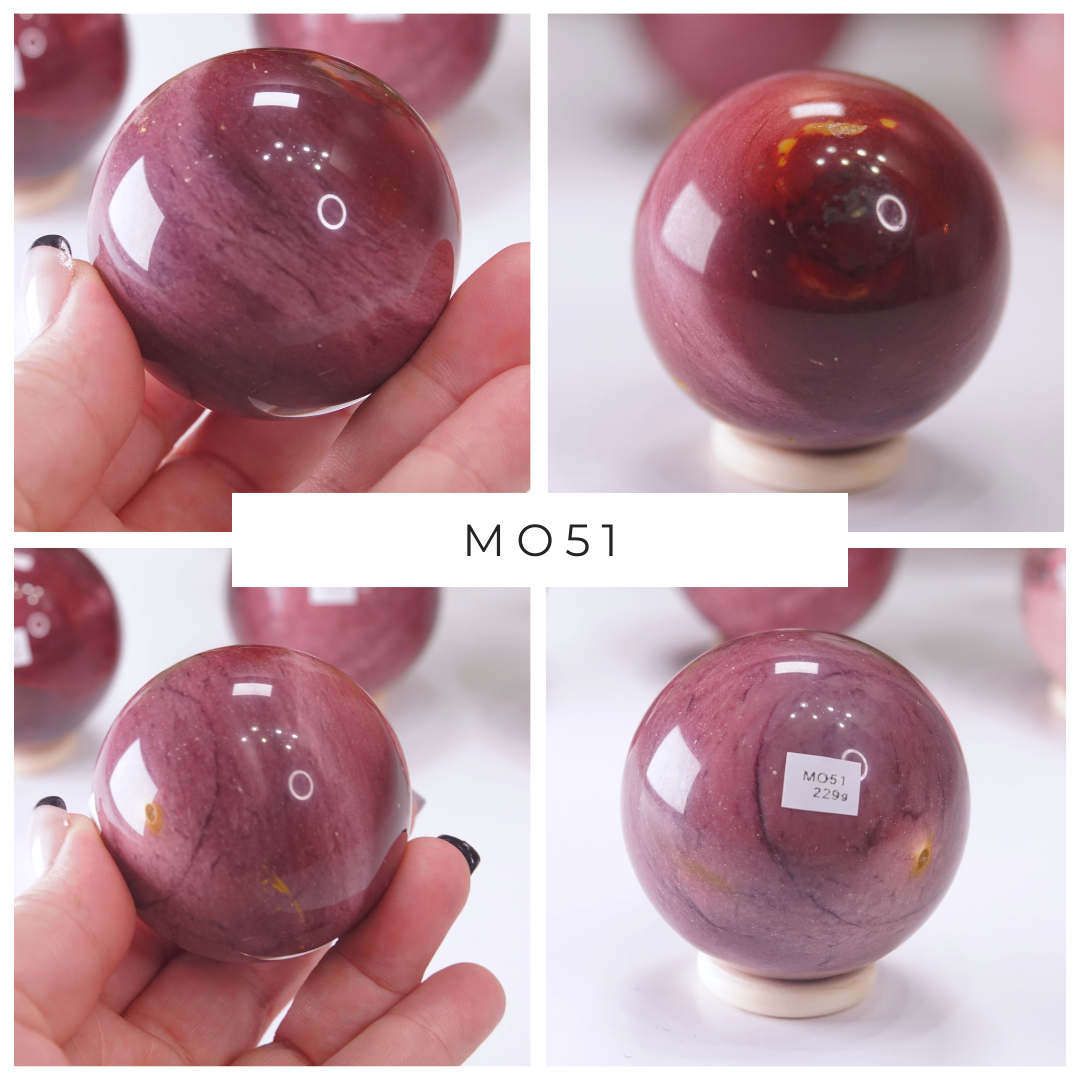
Walk into any rock shop and you'll likely see jasper, agate, and quartz grouped together, and with good reason. These three minerals are closely related, all sharing the same fundamental chemistry. Understanding how they differ comes down to crystal size, purity, and how light interacts with each stone.
Quartz Is Often The Foundation
Everything starts with quartz. Quartz is one of the most common minerals on the planet and comes in two major types: macrocrystalline, meaning large visible crystals, and cryptocrystalline, meaning the crystals are too small to be seen with the naked eye.
When quartz grows large enough to see, think amethyst, citrine, or classic clear crystal points, it's macrocrystalline. When it crystallizes at a microscopic scale, it forms what geologists call chalcedony, the family umbrella under which both agate and jasper fall.
Agate Can Be Banded And Translucent
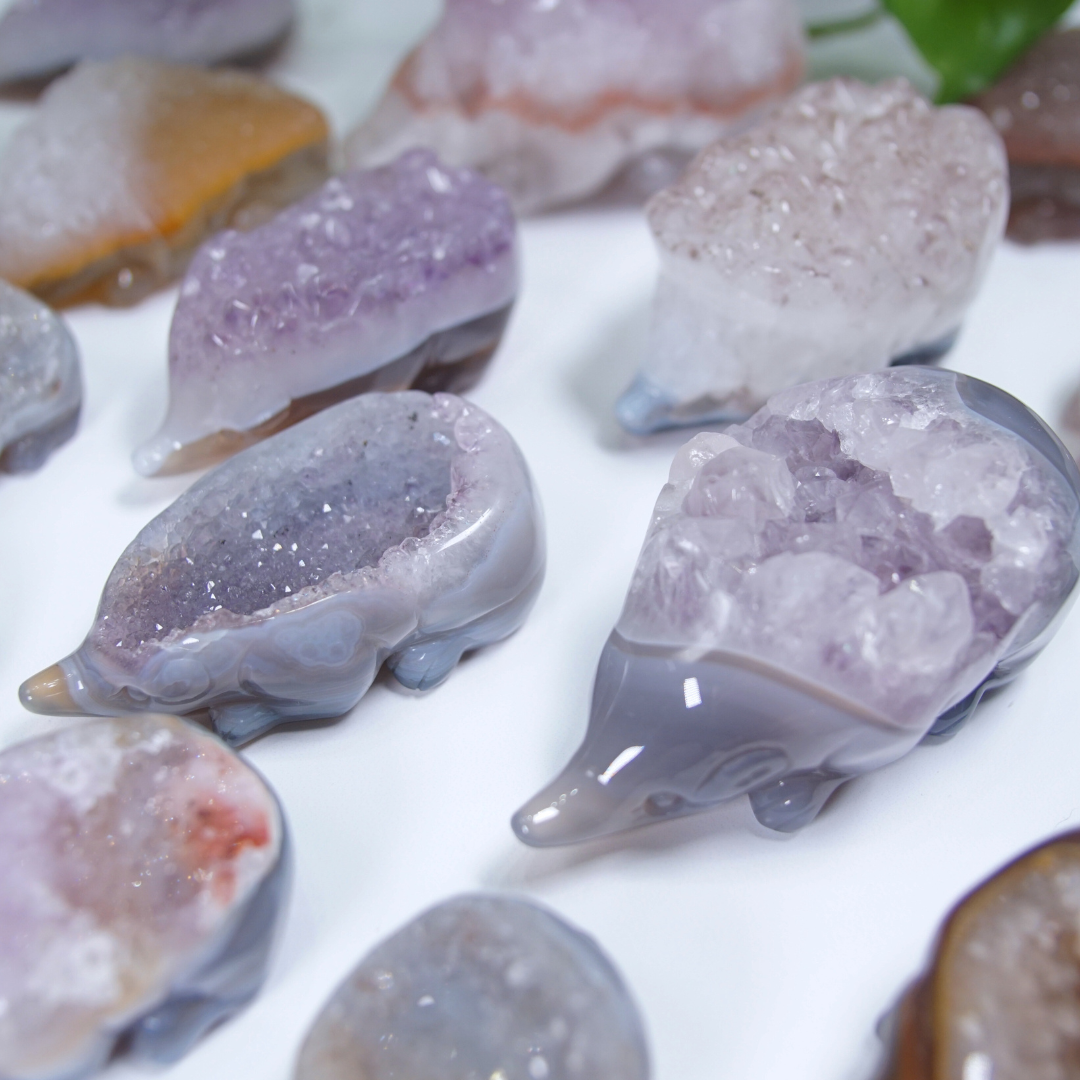
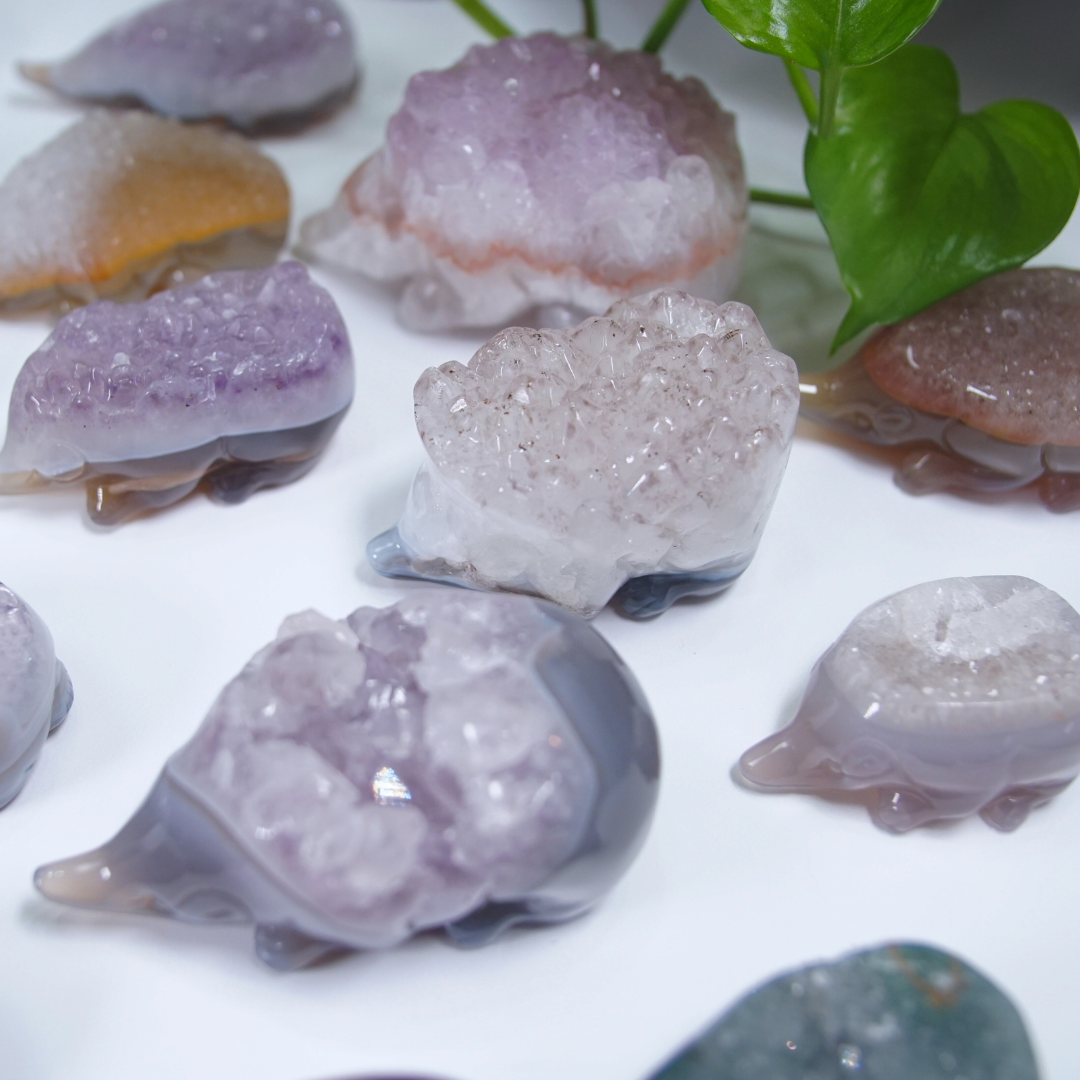
Agate is a rock consisting primarily of cryptocrystalline silica, aka chalcedony, and is known for its variety of color. Agates can be found mixed with all types of matrices and other materials, most often found within volcanic rocks.
The distinctive banding that makes agate so recognizable forms as silica-rich water slowly fills cavities in rock over long periods, depositing layers one at a time. Because the silica is relatively pure, light is able to pass through, making agate translucent. Agate forms in volcanic rock cavities where silica-rich fluids deposit layers over time, creating its characteristic bands.
Jasper Is Opaque And Impurity-Rich
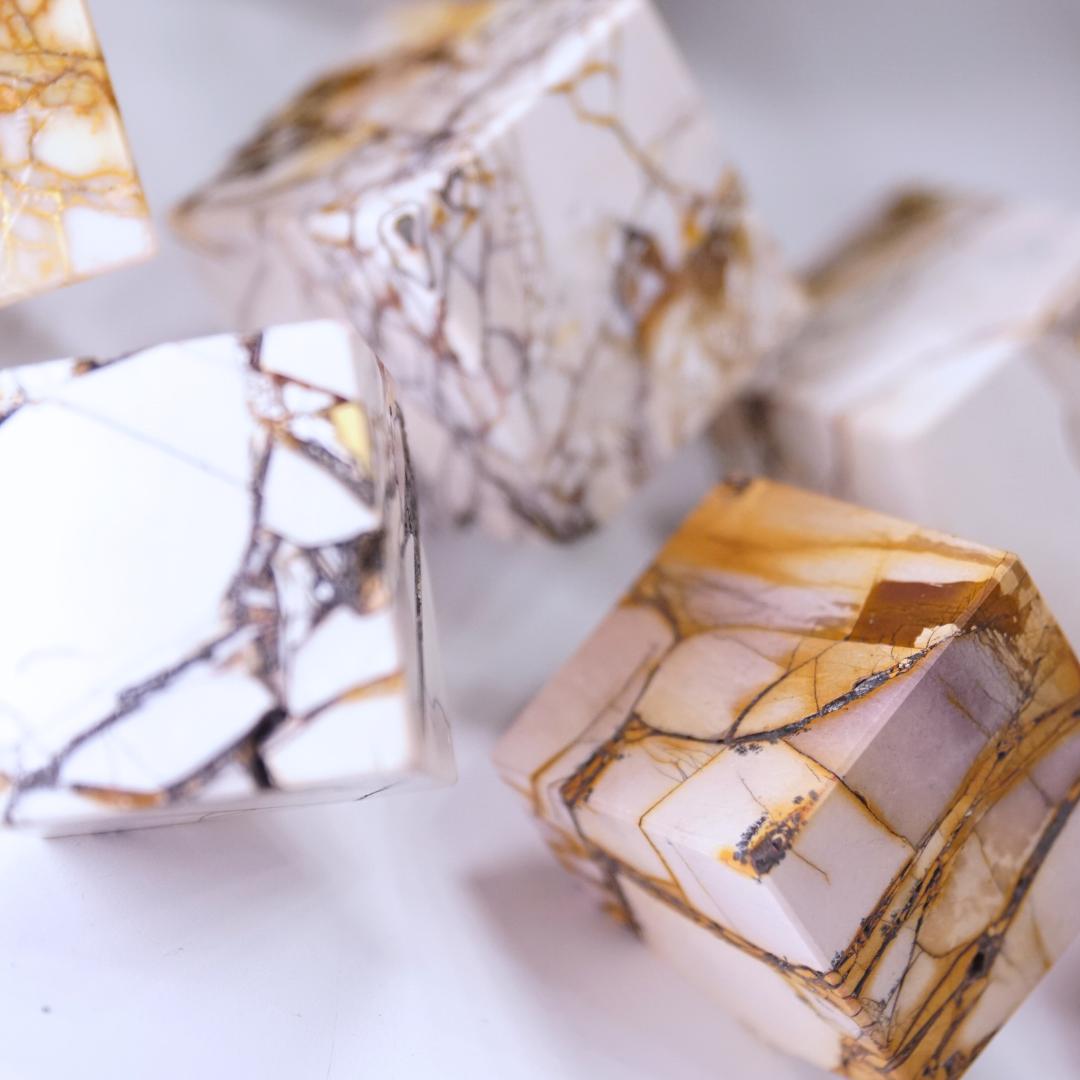
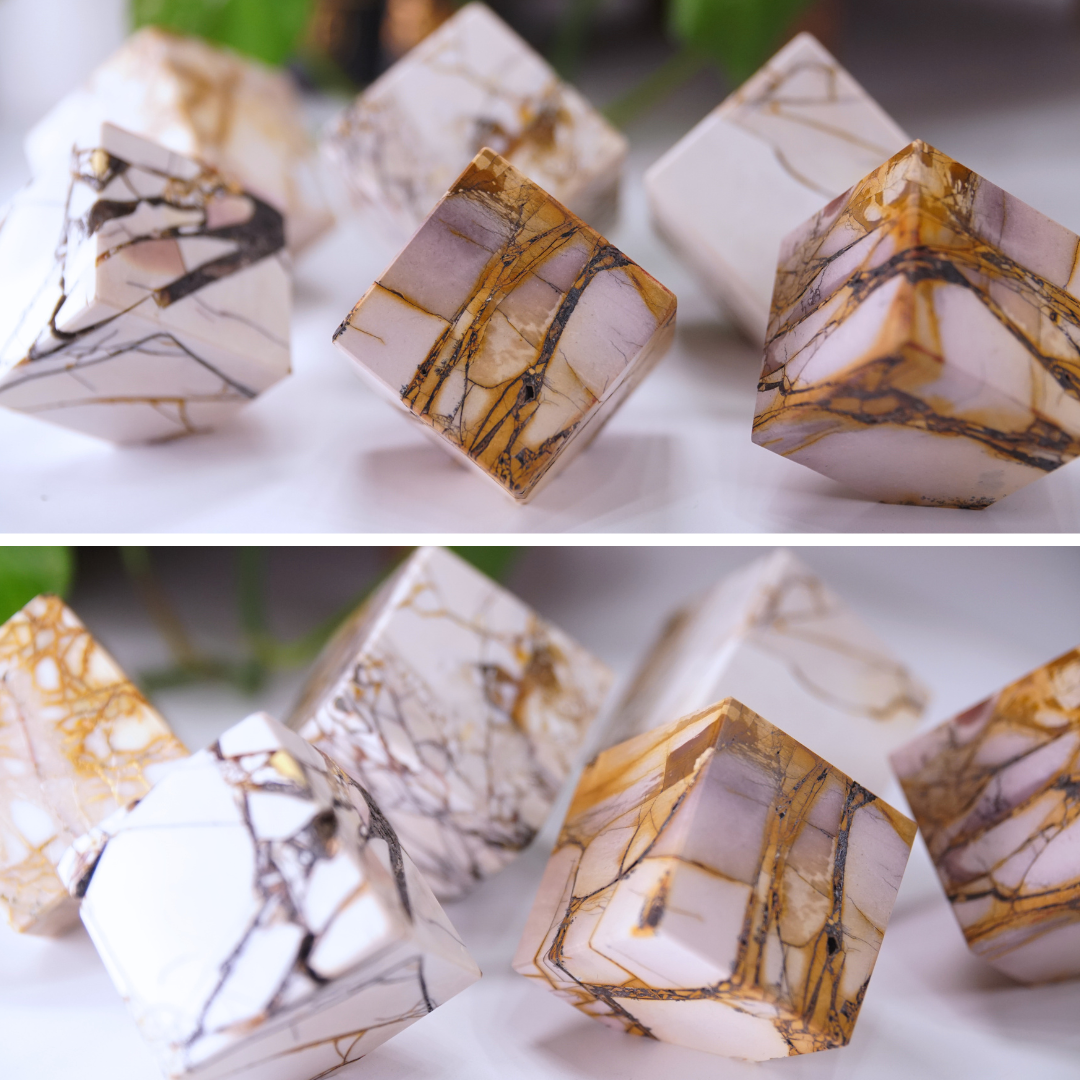
Jasper shares the same SiO₂ chemistry but tells a different geological story. Jasper is a mix of quartz and chalcedony, and is “an opaque, impure variety of silica, usually red, yellow, brown, or green in color. The common red color is due to iron(III) inclusions” as detailed in GeologyIn.
Those impurities are what set jasper apart: the subsequent crystallization of the silica cement does not form the fine needles seen in agate due to the high percentage of particulate matter present, and different particulates give jaspers their color. HGMS The result is a stone that blocks light completely rather than letting it filter through.
The Simplest Test
Chalcedony consists of microcrystalline quartz; agate consists of microcrystalline quartz that is semi-transparent or translucent; jasper consists of microcrystalline quartz that is opaque. Jaspers and agates can also grade into one another in the same rock. HGMS So the quickest field test is simply holding your stone up to a light source. If light passes through, you likely have agate; if it doesn't, jasper. As the mineralogy database Mindat.org notes, agate and chalcedony are not entirely straightforward varieties of quartz, as they also contain a proportion of moganite, a metastable SiO₂ species with the same chemical formula but a different crystal structure. Mindat The mineral world, as always, resists tidy categories.
Sources:
- Geology Page — Agate, Jasper and Chalcedony: https://www.geologypage.com/2019/03/what-is-the-difference-between-agate-jasper-and-chalcedony.html
- GeologyIn — Agate vs Jasper: https://www.geologyin.com/2018/03/what-is-difference-between-agate-and.html
- Mindat.org (Hudson Institute of Mineralogy) — Mineralogical Classification: https://www.mindat.org/mesg-147377.html
- Houston Gem & Mineral Society — Jasper: https://hgms.org/jasper/